Chronic Illness Questions for Couples
30 questions for couples navigating illness, caregiving, and staying connected through all of it
What Chronic Illness Does to a Relationship
Chronic illness changes the texture of a relationship in ways that are hard to prepare for. It's not just the practical adjustments, though those are real. It's the identity shifts, the grief, the invisible weight that one or both people carry and don't always know how to put into words. The relationship becomes something more layered than either person signed up for, and that's not a bad thing, but it requires a different kind of conversation than most couples know how to have.
What I've noticed is that couples navigating chronic illness often develop a kind of shorthand that works in day-to-day life but leaves a lot unsaid beneath the surface. The ill partner manages down because they don't want to be a burden. The supporting partner holds back because they don't want to add pressure. Both people are trying to protect the other, and in the process, neither one is being fully honest about what they're carrying.
These questions are designed for both the person living with illness and their partner. Some of them are hard. That's intentional. The conversations that most need to happen between couples dealing with chronic illness are usually the ones nobody has started yet. Pick the ones that feel most relevant to where you are right now. You don't need to answer all of them in one sitting.
How to Use These Questions
- ✓ Choose a moment when you both have energy and feel relatively safe with each other
- ✓ Some questions are for the ill partner, some for the supporting partner, and some are for both. Read them together
- ✓ If a question lands hard, pause and stay with it instead of moving on
- ✓ The prompts are nudges, not scripts. Follow the conversation wherever it actually goes
- ✓ It's okay to say "I don't know how to answer that yet". That's information too
The questions
1. What does a hard day with your illness actually look like — the parts I might not fully see from the outside?
💭 What the other person knows and what they actually understand are often different things
2. Is there something I do when you're struggling that genuinely helps, versus something I mean well with but that actually makes it harder?
💭 These answers are different for everyone — don't assume yours match
3. When your symptoms are at their worst, what do you most need from me in that moment?
💭 Practical help, presence, space, distraction — the answer shifts and it's worth asking directly
4. What's something you wish I understood about what it's like to live with this that you've had trouble explaining?
💭 There's almost always something that hasn't been said yet
5. How do you feel about asking me for help? Does it feel easy or does it carry something for you?
💭 A lot of people with chronic illness have complicated feelings about needing support
6. Do you ever feel like the illness has shifted the balance in our relationship in ways you didn't want?
💭 Both the ill partner and the supporting partner often feel this — just differently
7. Is there anything I do out of love or worry that you actually experience as pressure or pity?
💭 This takes honesty to ask and honesty to answer — but it's worth it
8. Do you feel like you're ever protecting me from the full reality of what you're dealing with? What makes you do that?
💭 A lot of ill partners manage down to avoid being a burden — even when they don't want to
9. On the caregiver side of things: where do you actually feel the strain? And are you being honest with me about it?
💭 Caregiver burnout is real and it doesn't mean you love them any less
10. Is there something you've taken on because of my illness that you wish we could share differently?
💭 Ask this one carefully — it requires real safety to answer honestly
11. Is there a version of yourself that the illness has changed or taken away that you still grieve sometimes?
💭 Chronic illness often involves a quiet grief that doesn't always get space
12. How has being with a partner who has chronic illness shaped who you are or how you think about relationships?
💭 For the healthy partner — not a complaint, but an honest reflection
13. Do you feel like your illness defines how I see you? Does that feel accurate to you?
💭 Some partners are seen too much through the illness lens. Others feel invisible in it
14. What parts of yourself do you most want me to notice or hold onto beyond the illness?
💭 A good reminder for both people that there's more to the picture
15. Is there anything about our relationship before diagnosis or before things got harder that you miss?
💭 Naming this doesn't mean giving up on now — it just makes it real
16. How do you feel about the uncertainty around your health — the not knowing what comes next?
💭 Some people manage it with control, some with denial, some with grief. What's your honest answer?
17. Are there things we haven't planned for because it felt too scary to name — and should we name them?
💭 Practical things, possible-future things, things you've been quietly dreading
18. What would help you feel more secure about our future, even with all the unknowns?
💭 There's usually something specific. Sometimes just being asked is part of it
19. Is there something you want to make sure we do or experience together that feels important to prioritize while we can?
💭 Not morbid — just honest about what matters now
20. When you imagine us in 10 years, what do you hope our life looks like? What feels uncertain or scary about that picture?
💭 Hope and fear usually live in the same sentence for people managing chronic illness long-term
21. Is there something the illness has actually brought into our relationship that you're genuinely grateful for?
💭 This question sounds strange but the answers are usually real — intimacy, depth, clarity about what matters
22. Do you feel close to me right now, or is there a distance that's crept in that we haven't fully addressed?
💭 Illness can create both closeness and invisible gaps — which is it for you lately?
23. What's something we could do differently as a couple that would make navigating this easier for both of us?
💭 Not a complaint — a collaborative question
24. Do you feel like you can bring up the hard illness-related stuff with me without worrying about how I'll react?
💭 Safety to talk is the baseline. It's worth checking if it's actually there
25. Is there anything about how I've shown up through this that you want me to know actually mattered to you?
💭 People who support partners through illness often don't hear enough of this
26. How do you feel about how we talk — or don't talk — about your illness with friends and family?
💭 Some people want more support from their network, others want privacy — and the two partners don't always agree
27. Is there someone outside our relationship who really gets what you're dealing with? And if not, do you have what you need?
💭 Isolation around chronic illness is common. It's worth knowing if it's happening
28. Have you ever felt dismissed or minimized — by a doctor, by family, by anyone — in a way that still stays with you?
💭 These experiences leave a mark and often go unspoken
29. Are there things about our social life or plans that the illness has limited that you've quietly mourned but haven't said out loud?
💭 The canceled trips, the missed things, the things that feel like they belong to another version of life
30. What's something you wish the people closest to us understood better about what this is actually like — for both of us?
💭 You're navigating this together. That's worth naming
Why These Questions Work for Couples Navigating Illness
Most relationship advice around chronic illness focuses on the practical stuff: how to divide responsibilities, how to ask for help, how to prevent caregiver burnout. All of that matters. But what tends to get skipped is the emotional undercurrent that shapes everything else, the grief that neither person has fully named, the distance that opened slowly and quietly, the things each person has been protecting the other from. These questions go there.
They work because they give both people permission to be honest about things that usually get quietly managed. The ill partner gets to say that some of the help feels like pity without having to start a fight about it. The supporting partner gets to name where they're actually struggling without worrying they'll look unsupportive. Real conversations about chronic illness almost never happen without some kind of structure that makes honesty feel safe. These questions provide that structure.
If you and your partner come out of these conversations with a clearer sense of what each of you actually needs, and a slightly more honest picture of what this has been like for each of you, that's a real win. The goal isn't to solve anything. It's to close the gap between what you're both experiencing and what you're actually saying to each other.
Common Questions About Relationships and Chronic Illness
How does chronic illness affect relationships long-term?
Chronic illness reshapes a relationship gradually. Roles shift, sometimes without either person choosing them consciously. The couples who navigate it well keep having honest conversations about what's working and what isn't, even when it's uncomfortable.
What do people with chronic illness need from their partners?
It varies person to person. What most people want is to be seen as more than their illness. The best thing a partner can do is ask what kind of support the person actually wants, rather than deciding on their behalf.
How do you avoid caregiver burnout when your partner has a chronic illness?
Caregiver burnout usually happens in silence. The prevention is naming what you're carrying before it reaches a breaking point, maintaining your own life and relationships outside the caregiver role, and being honest when you're running low.
Thinking about couples therapy?
If these questions are bringing up more than you can work through on your own, Online-Therapy.com matches you with a licensed therapist and includes worksheets you can use between sessions.
Start with Online-Therapy.com →Get 20% off your first month when you start through our link.
Affiliate link — we may earn a commission at no extra cost to you.
More conversations for where you are
We have questions for hard seasons, big transitions, and all the complicated middle ground couples navigate together.
Browse All Topics📚 Recommended Reading
As an Amazon Associate, we earn from qualifying purchases at no extra cost to you.
If any of these questions sparked something worth sitting with, these books go deeper than a list of prompts can.
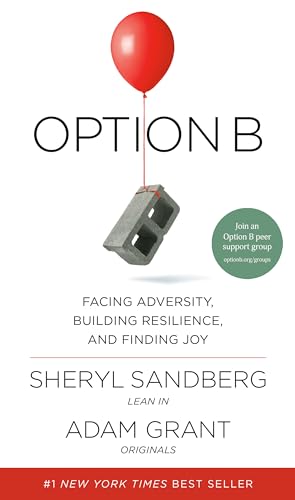
Also worth reading
The Body Keeps the Score
Bessel van der Kolk
The definitive book on trauma — how it lives in the body and shapes all our relationships, and the therapies that can help partners heal together.
View on Amazon →
Also worth reading
Hold Me Tight
Sue Johnson
Dr. Sue Johnson's breakthrough guide using Emotionally Focused Therapy principles to help couples create secure, lasting bonds and repair relationship wounds.
View on Amazon →
Need more conversation starters?
We have questions for every situation, including the complicated ones.
Browse All Topics →