Life Lessons Questions for Couples
35 questions about what you've each actually learned from living: the failures, the hard seasons, the things that changed you
Why Asking About Life Lessons Goes Deeper Than Most Questions
There's a version of getting to know someone that stays on the surface forever. You know what they do for work, what they like to eat, how they take their coffee. You know the shape of their days. But you might not know what they've actually learned from being alive for this long. That's a different kind of knowing.
Life lessons questions for couples are different from general deep questions because they're about accumulated understanding. What has this person actually figured out? What did they get wrong before they got it right? What did they have to lose before they learned to value it? Those answers tell you something that "what's your favorite movie" never will.
I've noticed that these conversations tend to reveal more about who someone actually is than almost any other kind. The lessons people carry (about how to treat people, how to handle failure, what matters and what doesn\'t) are the things that shape every decision they make. Asking your partner about their life lessons is asking them to show you their operating system.
How to Use These Questions
- ✓ Give real answers. The point is honesty, not a polished version of yourself
- ✓ Ask follow-up questions when something surprises you or lands differently than expected
- ✓ These work well on a long drive, a slow evening, or anywhere without a time limit
- ✓ You don't have to answer every question. Pick the ones that feel alive
- ✓ The prompt under each question is just a nudge; follow your own thread
The questions
1. What's the most important thing your parents taught you — intentionally or not?
💭 Not just advice, but what you actually absorbed from watching them live.
2. What did you believe about money when you were a kid, and how much of that do you still carry?
💭 These beliefs tend to be surprisingly durable, even when we think we've outgrown them.
3. What's a rule you grew up with that you've since thrown out entirely?
💭 Something you accepted as a child that now seems obviously wrong or just irrelevant.
4. What did you think adulthood was going to feel like — and how different is the reality?
💭 Most of us had a specific mental image. It's usually pretty wrong.
5. What's the earliest lesson you learned about how to treat people that you still follow?
💭 Something from childhood that became a genuine guiding principle.
6. What's the biggest mistake you've made that you're actually grateful for?
💭 The things that went wrong and turned out to matter in ways you couldn't have planned.
7. What's something you failed at that made you better at something else?
💭 Skills or perspectives you gained through getting something wrong.
8. What's the hardest period of your life, and what did it actually teach you?
💭 Not the lesson you were supposed to learn — the one you actually walked away with.
9. What's something you wish someone had warned you about before you went through it?
💭 Not to avoid it necessarily, just to have gone in with better information.
10. What's a time you were completely wrong about something and it took you a while to admit it?
💭 When the evidence was there but you held on longer than you should have.
11. What's the most useful thing you've learned about how to work with other people?
💭 Something you figured out the hard way or wish you'd known earlier.
12. What did you used to think success looked like, and how has that changed?
💭 The version from 10 years ago versus the version you hold now.
13. What's a piece of career advice you received that turned out to be completely wrong for you?
💭 Guidance that was well-intentioned but just didn't fit how you actually work.
14. What have you learned about how you handle pressure — what actually helps you?
💭 Not what's supposed to help, but what you've discovered works for you specifically.
15. What's something you spent a lot of time and energy on that turned out not to matter?
💭 The things you optimized for that you've since deprioritized completely.
16. What's the most important thing you've learned about how to be a good friend?
💭 Something you figured out from experience, not something you were told.
17. What have you learned about when to fight for a relationship and when to let it go?
💭 The kind of discernment that usually only comes from having gotten it wrong once.
18. What's a relationship — romantic or otherwise — that taught you the most about yourself?
💭 Not necessarily the best relationship, but the most informative one.
19. What have you learned about what you actually need from people close to you?
💭 The things that matter to you that you might not have been able to name earlier.
20. What's something you used to judge people for that you've become more understanding about?
💭 Something that used to seem obvious or simple that you now see differently.
21. What's the most accurate thing someone has ever said about you that took you a while to accept?
💭 Feedback you initially resisted but eventually had to acknowledge was right.
22. What have you learned about how to manage your own emotions that actually works for you?
💭 Something specific and real, not generic advice you read somewhere.
23. What's something you're still figuring out about yourself at this stage of your life?
💭 Not a mystery, just something where the answer keeps evolving.
24. What's a belief you held for a long time that you've since revised or abandoned?
💭 Something you were pretty confident about that turned out to need updating.
25. What have you learned about the kind of environment or circumstances that bring out the best in you?
💭 The conditions under which you actually do your best thinking and work.
26. What's something that seemed urgent 10 years ago that you now realize didn't matter at all?
💭 Perspective is a funny thing. What looks different from here?
27. What's a piece of conventional wisdom you've found to be genuinely useful?
💭 The cliches that turned out to be cliches for a reason.
28. What's a piece of conventional wisdom you've found to be mostly wrong or overrated?
💭 The advice that gets passed around that you've personally found doesn't hold up.
29. What's something you've come to appreciate more with age that you undervalued when you were younger?
💭 Things you now see clearly that your earlier self wasn't paying enough attention to.
30. What's the most counterintuitive thing you've learned about life?
💭 Something where the lesson runs opposite to what most people would assume.
31. If you could go back and give your 20-year-old self one piece of advice, what would it be?
💭 Not life optimization advice — something you genuinely wish you'd known.
32. What's the lesson from your life that you most want people you care about to learn?
💭 The thing you'd want to put in a letter if you knew someone would read it when they needed it.
33. What's something you've learned recently that has changed how you approach something?
💭 A lesson from the last few years, not just the big ones from the past.
34. What do you think you still have left to learn about yourself?
💭 Not a deficit — just the chapters that haven't fully unfolded yet.
35. What's the most important thing this relationship has taught you so far?
💭 What has being with this person shown you about yourself or about relationships?
Why These Questions Work
Most couples spend years together without actually knowing what shaped each other. You know the stories, you know the events, but you might not know what your partner drew from those events. Two people can go through nearly identical experiences and come out with completely different understandings of what it meant. These questions are how you find out which version your partner carries.
There's also something useful about the retrospective framing here. Asking someone what they've learned, rather than what they think or believe, tends to produce more honest answers. You're not asking for an opinion. You\'re asking for accumulated experience. That takes a different kind of pride out of the equation. People are usually more willing to admit uncertainty and error when they're reflecting on the past than when they're staking out a position in the present.
What I find most interesting about these conversations is what they reveal about how someone handles being wrong. The most useful question in this whole list might be the one about a belief you've since revised. How a person talks about changing their mind tells you a lot about whether they're actually capable of it, and whether they\'re someone who learns from the relationship as it develops, or someone who just accumulates more certainty over time. That's worth knowing.
Frequently Asked Questions
How do life lessons questions improve a relationship?
They move the conversation from the surface to something more substantive. When you understand what your partner has actually learned from their hardest experiences, you understand why they make the decisions they make.
What are good deep conversation questions about the past?
The most productive focus on what someone learned rather than what happened. Questions about biggest mistakes, hardest seasons, and beliefs they have revised produce more honest conversations than generic prompts.
Are life experience questions appropriate for new couples?
Most of them, yes. Questions about growing up or what you would tell your younger self are accessible fairly early. The harder ones about painful periods are better after some foundation of trust is built.
What if my partner does not like reflecting on the past?
Start with forward-facing questions about what they want to pass on, what they are still figuring out, or lessons from recently. Those feel less retrospective and are more comfortable for people who find looking back difficult.
How often should couples have these deeper conversations?
Whenever you notice the relationship settling into patterns where you are coordinating logistics more than actually connecting. That is usually the signal that these questions would help.
Keep the conversation going
- Vulnerability questions for couples: for when you want to go even deeper into what you\'re each carrying
- Personal growth questions for couples: conversations about where you\'re each headed, not just where you\'ve been
- Deep questions for couples: more questions for getting past the surface
More conversations worth having
Life lessons are just one kind of deep question. Browse the full collection for whatever your relationship needs right now.
Browse All Topics📚 Recommended Reading
As an Amazon Associate, we earn from qualifying purchases at no extra cost to you.
If any of these questions sparked something worth sitting with, these books go deeper than a list of prompts can.
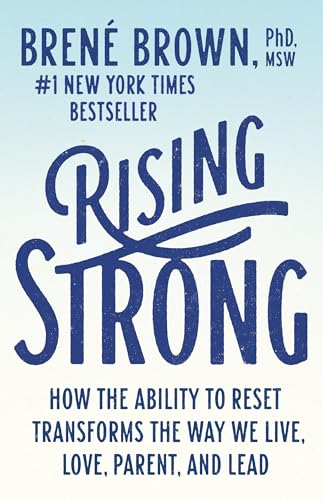
Also worth reading
Daring Greatly
Brené Brown
Brené Brown's landmark work on vulnerability, courage, and shame — showing how opening up is the path to deeper connection and more authentic relationships.
View on Amazon →
Also worth reading
Atlas of the Heart
Brené Brown
Brené Brown maps 87 human emotions — a transformative vocabulary for couples to name what they feel, understand each other better, and connect more deeply.
View on Amazon →
Need more conversation starters?
We have questions for every situation, from first dates and long distance to deep dives, and more.
Browse All Topics →