Relationship Defaults Questions
30 questions about the habits your relationship settled into, and who actually settled them
Every default has an author
Your shared life is full of things that just happened. A heavy silence after a bad day often settles into a habit without a meeting. These defaults emerge because one person simply reached their limit first.
These defaults are not about skill or effort. Whoever could not stand the thing being undone took it on. If the mess bothered you more than it bothered your partner, you became the author of that default. You did not volunteer for the role. You just reached your limit first and acted to stop the discomfort.
It matters because someone settled it. When a default forms, it feels like a natural law of the relationship. You stop noticing who is actually doing the work and start noticing only when the work stops. This is how a simple habit becomes a source of resentment. The person doing the task feels burdened, and the person not doing it feels judged.
How to use these questions
- ✓ Start with whatever section feels most relevant to where you are right now
- ✓ Answer honestly about the pattern that actually exists, not the one you'd prefer to have
- ✓ If something comes up that you want to change, write it down, but save that conversation for later
- ✓ These work best when neither person is in a defensive or charged headspace
- ✓ Not every pattern needs fixing. Some you'll name and decide is actually fine
The questions
1. When something is bothering you, what do you usually do with it first?
💭 Do you bring it up, wait to see if it goes away, tell a friend, or sit with it alone?
2. Who usually brings up the hard conversations in our relationship?
💭 Is that the right default, or does it create pressure on one person?
3. When we disagree, what's my typical first move?
💭 Think about a few recent examples. What pattern do you notice?
4. Is there something you've stopped bringing up because it never seems to go anywhere?
💭 Not asking you to fix it now. Just naming whether that thing exists.
5. How do you let me know when you need space without it turning into a bigger thing?
💭 Does the system we have actually work, or does it tend to misfire?
6. How did we divide up the household stuff? Did we ever actually decide, or did it just sort of happen?
💭 A lot of couples end up with defaults that nobody consciously agreed to.
7. Is there something you handle because you're good at it, even though you'd rather not?
💭 This is how a lot of unspoken resentment builds up. It's worth knowing.
8. Who manages the mental load of the relationship more: tracking plans, remembering things, noticing what needs doing?
💭 Is that by choice or just by default?
9. Is there a responsibility we've fallen into that you think I assume you want to handle, but you don't?
💭 Something that has never been discussed but is quietly yours.
10. If we were starting over from scratch, how would we split things differently?
💭 Sometimes thinking about what we'd choose if we had a choice reveals a lot.
11. What does a typical evening together usually look like for us?
💭 Is that what you want it to look like, or did it just become the routine?
12. How do we decide what to do together versus separately?
💭 Is there an actual system, or do we mostly default to one person's preference?
13. Is there something you'd do more of if you felt like you had real permission to?
💭 Solo time, hobbies, seeing friends. Things that might feel like they require negotiation.
14. When one of us is tired and the other wants to connect, what usually happens?
💭 Who tends to initiate? Who tends to withdraw? How does that usually land?
15. What's one regular thing we do together that you actually look forward to?
💭 Name it specifically. These are worth noticing and protecting.
16. Who tends to drive big financial decisions, and did we actually agree on that?
💭 Sometimes one person ends up in charge by default rather than by design.
17. Is there something you spend money on that you assume I'd have an opinion about, so you don't mention it?
💭 This one's interesting. Unspoken financial calculations tell you something.
18. Do we have a shared sense of what our financial goals actually are, or is that still fuzzy?
💭 Vague answers count here too. Fuzzy is useful information.
19. Who typically initiates physical affection between us?
💭 Is that a pattern you're both happy with?
20. How do you usually signal that you want closeness?
💭 And how often do those signals actually land the way you intend them to?
21. Is there a way you like to be comforted that you haven't really told me about?
💭 Most people have a preference that their partner has never been explicitly told.
22. When you're stressed or withdrawn, do I usually read it correctly?
💭 Or do I sometimes respond to the wrong thing?
23. After we argue, who usually reaches out first to repair things?
💭 Is that a pattern that feels fair, or does it wear on one of you?
24. Is there a recurring fight we keep having that we've never really solved?
💭 Name the topic if you can. Just putting it on the table is useful.
25. What's my conflict style, from your perspective?
💭 Not what you think I'd say. What do you actually notice?
26. Is there something you've decided isn't worth arguing about, even though it still bothers you?
💭 These quiet concessions can build up. Worth knowing they exist.
27. When things get tense, what do you need from me that you don't always get?
💭 More space, more acknowledgment, something else?
28. Is there a default in our relationship that you think we should actually talk about and choose consciously?
💭 Something that just happened without us deciding it, and probably should be revisited.
29. What's one thing about how we operate together that you're genuinely glad we've figured out?
💭 Give credit where it's due. Some defaults are good ones.
30. If we could reset one unspoken habit in our relationship, what would you pick?
💭 Not as a complaint. As an honest wish for how things could go.
Tolerance versus competence
A default is a record of thresholds meeting. It happens when a partner's belief that something is fine for another day hits your belief that you cannot leave it. Nobody voted on the matter. The comparison did the voting. Load arguments are often standard arguments wearing chore clothes. You are not fighting about the laundry, but about who decided the laundry was an emergency.
The sting is that a threshold feels like a fact from the inside. Each person believes their own standard is the normal one. When you clash, it feels like a failure of effort or a lack of care. The fight sounds like a character dispute when it is actually a calibration dispute. You are arguing about a limit neither of you has ever said out loud.
The perspectives are valid and neither is wrong. A lower tolerance for a mess is not the same as being easy-going. A higher tolerance is not the same as being controlling. These are just different limits. Neither person is the difficult one. The friction comes from the gap, not from a personality flaw.
The threshold test
You can stop the accusations by testing the limits. The goal is to make the invisible standard visible so it can be discussed. Start with a small friction point rather than the thing you are actually angry about. This lowers the stakes and keeps the conversation from becoming a trial about who cares more.
Each of you writes your own answer first, in your own handwriting or your own document, without reading the other's until both are done. Describe where your limit sits. State exactly what it would take for you to be genuinely fine leaving the task undone. Do not think about what your partner wants to hear. Write your own truth before you see their page.
- Pick a recurring friction point.
- Write your limits alone.
- Compare the answers.
- Decide the standard on purpose.
- Consider paying someone to hold it.
This process reveals the gap. You might find that a partner is not lazy, they just have a different threshold. Once the standards are on paper, you can choose a new one together. You can agree on a limit or pay a cleaner or a delivery service to take it over.
📚 Recommended reading
As an Amazon Associate, we earn from qualifying purchases at no extra cost to you.
If any of these questions sparked something worth sitting with, these books go deeper than a list of prompts can.
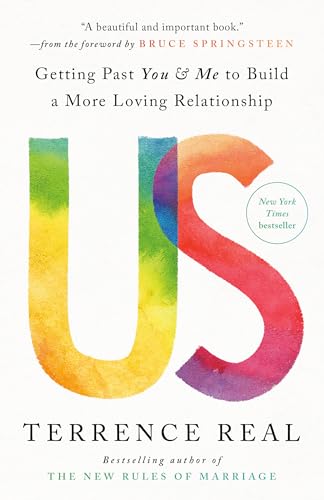
Also worth reading
The New Rules of Marriage
Terry Real
Terry Real's straight-talking guide to modern marriage, challenging outdated relationship myths and offering a new model for mutual respect and deep connection.
View on Amazon →
Also worth reading
Getting the Love You Want
Harville Hendrix
The classic guide to Imago Relationship Therapy, explaining why we choose the partners we do and providing practical exercises for transforming conflict into connection.
View on Amazon →
Turn These Questions Around on Yourself
It is easy to read a set of questions about habits as an audit of your partner. You look for the gaps in their effort. That reading costs you nothing. It lets you stay the judge while they become the defendant.
Turn the mirror. Consider who actually decided how your household got divided or who manages the calendar. Think about what happens to the unspoken subject in your home, and which habits you would rather your partner did not notice. Look for the subjects that make you flinch. Those are the areas where your own threshold drives the default.
The couples who find a way forward are not the ones without defaults. They are the ones where the partners can name their own threshold without defending it.
More conversations for your relationship
Defaults are invisible until you name them. Try expectations you have never said out loud, regular check-ins, and who carries what. If the tone of the conversation is the problem more than the subject, how to ask again without nagging covers the delivery.
Browse All TopicsMore questions that go somewhere real
These aren't the only patterns worth looking at. More question sets on specific dynamics below.
Browse All TopicsWhat's actually running your relationship?
A standard you chose is a different thing from a standard that won by default. These questions help you figure out which is which, and decide what happens next.
Explore Other Topics →Frequently asked questions
What are some examples of unhealthy relationship defaults?
Defaults become unhealthy when they are invisible. One person pays a constant cost for a standard the other person never agreed to, and the burden becomes a silent tax on the relationship. This creates a cycle of quiet resentment and perceived failure because the standard is never discussed or chosen on purpose.
How do you change relationship defaults without it turning into a fight?
Move the conversation from the task to the threshold. Stop discussing who does the work and start discussing where the limit sits for each of you. This turns a character attack into a calibration. You stop fighting about the result and start talking about the internal limit that drives the behavior.
Is it normal for relationship defaults to develop over time?
It is the standard way shared lives work. Thresholds are compared silently until one person reaches their limit before the other does and takes over the task. This happens without a conscious decision or a vote. The default is simply a record of which partner could not stand the thing being undone first.
My partner does not care as much as I do?
You are likely seeing a difference in thresholds. What feels like a lack of care is often just a higher tolerance for the thing being undone. It is not a failure of effort or a lack of love, but a different internal limit. One of you just tolerates the mess longer than the other.
Should I just lower my standards?
Lowering a standard is a choice you make together. The goal is to make the standard visible so you can decide it on purpose rather than letting an invisible threshold decide for you. You can choose to accept a lower limit if it reduces friction and makes both people feel respected.